How golf prepares kids to overcome challenges 

Every golf parent has watched it happen. Your child lines up a putt, swings with confidence and misses. Maybe their shoulders drop. Maybe there’s a frustrated sigh. And in that moment, you might wonder: Is this good for them? 

At First Tee, we’d say yes. 

Golf is one of the few sports that puts a young person face-to-face with failure on almost every hole, and that’s exactly what makes it such a powerful teacher. When kids learn to navigate a missed shot, a bad round or a score that didn’t reflect their effort, they’re building something far more important than their game. They’re building resilience. 

The scorecard doesn’t lie, and golf’s honesty can be uncomfortable at first. But over time, it teaches kids to take ownership of their performance — a life skill that carries far beyond the course. 

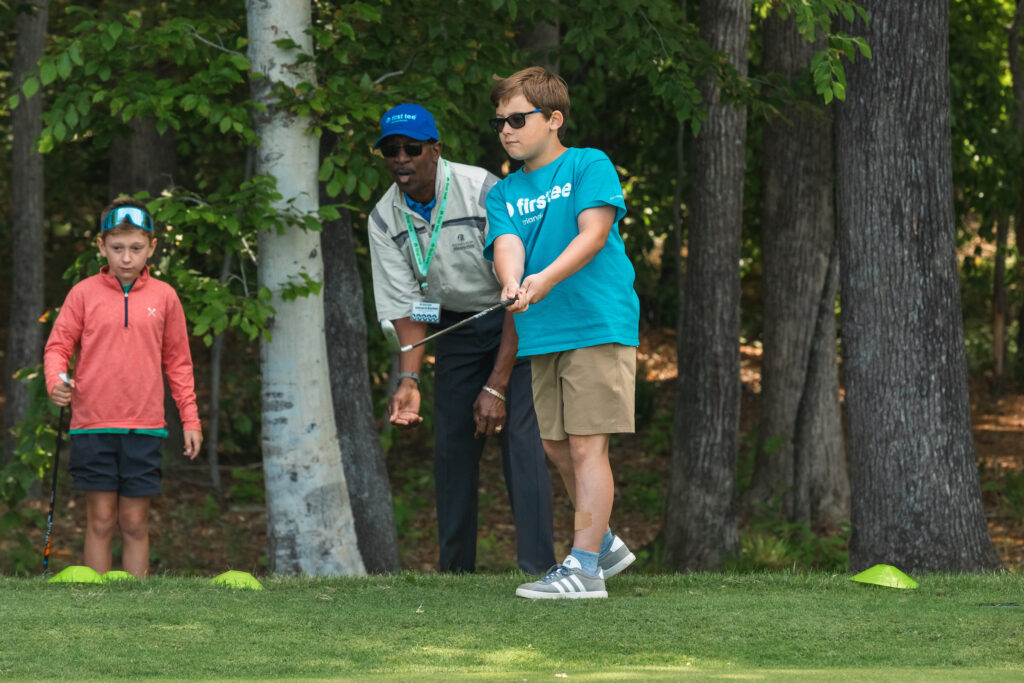
At First Tee, our coaches create a safe space where that accountability feels empowering, not defeating. Young people learn that a bad shot isn’t a reflection of who they are. It’s information. It’s an opportunity to adjust, refocus and try again. 

What bouncing back looks like 

Resilience isn’t about pretending failure doesn’t hurt. It’s about developing the tools to move through it. At First Tee, we view failure as a “First Attempt ILearning,” recognizing there’s always a lesson to be gleaned when things don’t go right. 

In First Tee’s curriculum, participants work on skills like emotional regulation, positive self-talk and setting goals, which all come naturally on the course. When a young person learns to take a breath after a bad hole and approach the next tee box with a fresh mindset, they’re practicing exactly the kind of response that will serve them in a tough exam, a difficult friendship or a challenging moment at work someday. 

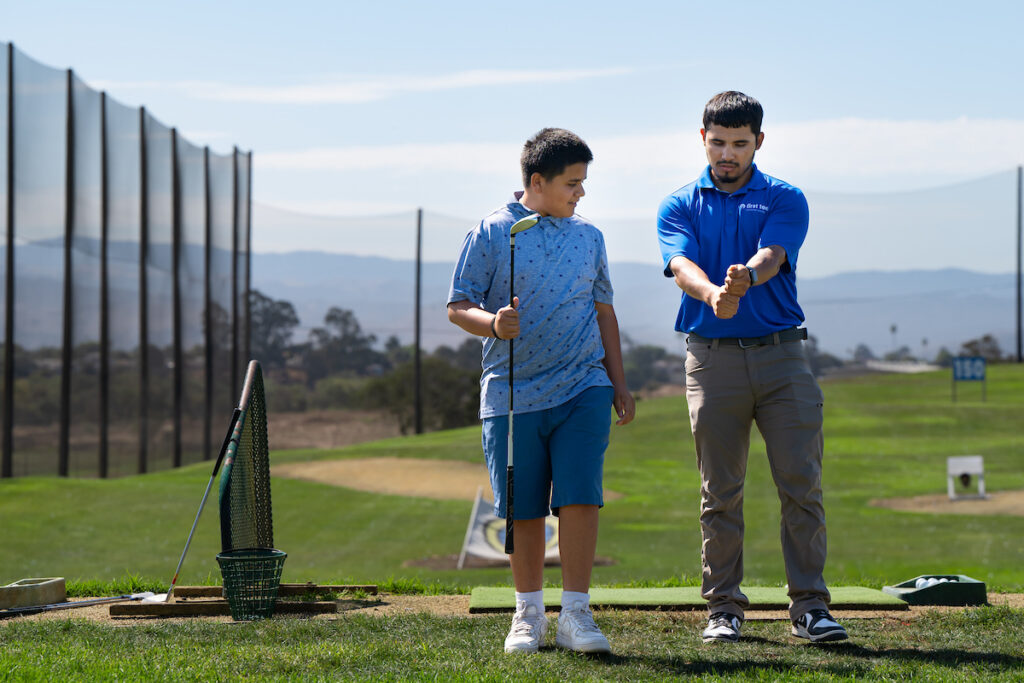
That kind of reflection doesn’t happen by accident. It happens because coaches are asking the right questions, creating space for young people to process their experiences and grow from them. 

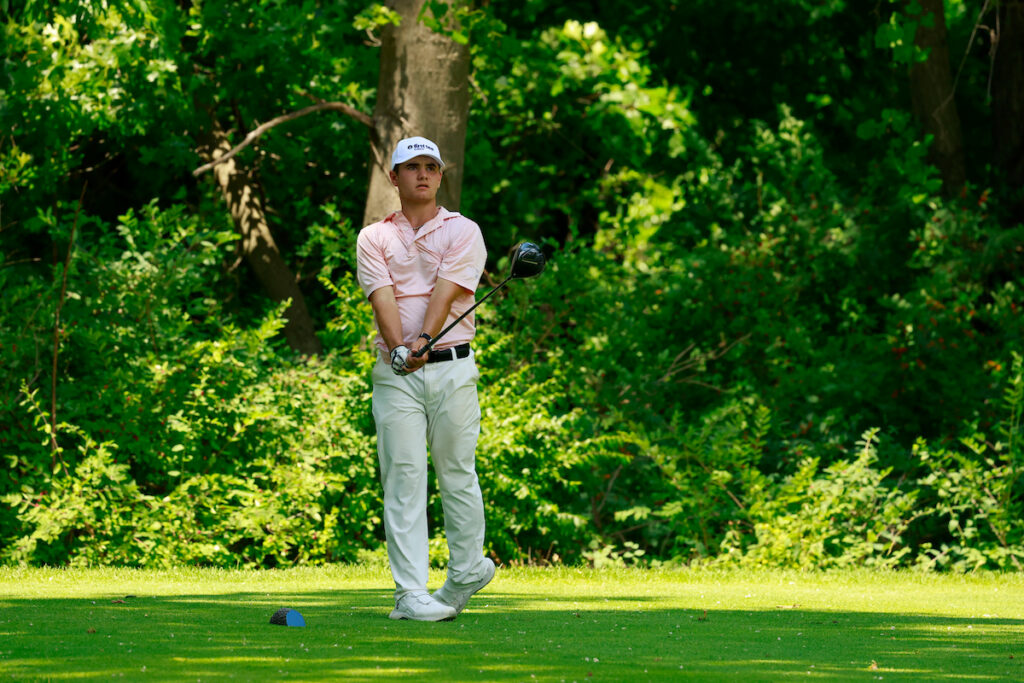
“We’ve watched Blayze transition from reacting to challenges to strategically managing them,” said Landon and Holly Chapman, parents of First Tee – Indiana participant, Blayze Chapman. “By applying the STAR (Stop, Think, Anticipate, Respond) model, he’s replaced frustration with perseverance and judgment. Whether he’s navigating a double-bogey or a heavy academic week, he no longer lets a single moment define his day. He’s learned to ‘reset’ with a level of composure that most adults struggle to maintain, proving that his character is anchored in something much deeper than a scorecard.” 

The role parents play in the process 
Here’s something we hear from families all the time: The lessons don’t stay on the course. While First Tee programming is typically delivered in golf settings, the goal is for parents to see their children handling frustration differently at home, in school and in other activities Our aim is for participants to grow in patience and become more articulate about their feelings. 

Of course, parents play a big role in that. When your child comes home after a tough round, how you respond matters. Instead of jumping to fix the problem or minimize their frustration, try asking open-ended questions: What was the hardest part today? What would you do differently next time? What’s one thing you’re proud of, even if the score wasn’t what you hoped? 

These conversations reinforce what your child is learning at First Tee and help them internalize the idea that struggle is a normal, even necessary, part of growth. 

“Golf has given Blayze a quiet, internal confidence rooted in responsibility and integrity,” said the Chapmans. “Through First Tee, he’s developed the social dexterity to engage with mentors and the self-assurance to lead his peers.” 

To support First Tee and its efforts to teach life skills and values through golf, consider becoming a Donor Ambassador today! 
The Science of How Your Child Learns: Why ‘one and done’ doesn’t work

By Kristin Westberg – Senior Director, Training & Evaluation, First Tee HQ

Think about how your child learned to ride a bike. Did they master it after one explanation? Of course not. They practiced over and over, fell down, tried again and eventually, it clicked.

That’s exactly how First Tee’s life skills work, too.

When your child learns about STAR (Stop, Think, Anticipate, Respond) during their first golf session, they’re just getting introduced to the concept. But they’re also focused on their grip, wondering if they’ll make the putt, and probably thinking about what’s for dinner. That first exposure is just the beginning.

The real learning happens through repetition

The magic happens when your child encounters STAR again and again in different situations. Maybe their coach references it after a bad shot: “Remember STAR? Let’s stop for a second. What happened there?” Now they’re connecting it to a real moment of frustration.

Each time First Tee coaches revisit a life skill, they’re helping your child see patterns and build a framework they can access when emotions run high. They’re showing that these aren’t just things “Coach says” but tools they can apply off the golf course.

Take the 4 Rs: Relax, Replay, Ready, Redo. The first time a coach walks your child through this after a mishit, they’re hearing four steps while feeling embarrassed. But by the fifth or tenth time, you’ll start seeing them do it on their own. They’ll take a deep breath, step back, and reset — not because someone explained it perfectly once, but because their coach consistently showed them how.

What the science says

Here’s what research tells us about how kids learn (and what you probably already know from watching your own child):

Kids need to see concepts in multiple contexts before they can transfer them. Their brains are literally building neural pathways that get stronger each time they practice. One exposure creates awareness. Multiple exposures create competence. In fact, learning research suggests people typically need about seven exposures to new information before they can truly retain and apply it, which is why consistent coaching across different situations matters so much.

Developmentally, your child isn’t the same kid they were six months ago. The 8-year-old who needed help thinking through consequences is now 9 and ready to anticipate them more independently. When coaches revisit life skills, they’re meeting your child where they are now.

You might hear your child’s coach reference the same life skill multiple times throughout the season, and that’s intentional. They’re not being redundant; they’re being effective. Here’s how First Tee coaches reinforce learning:

  • Naming it when they see it. When your child demonstrates grit or uses a life skill independently, coaches call it out in the moment.
  • Connecting across contexts. Coaches reference the same life skill in different situations – on the green, on the range, in the classroom and more.
  • Asking reflection questions at the end of each class. “Where else have you used STAR this week?”
  • Modeling it themselves. Coaches let participants see them using these skills when facing their own challenges.
  • Celebrating progress, not perfection. Coaches notice when your child applies a life skill even imperfectly because that’s growth.

Supporting this learning at home

The beauty of First Tee’s approach is that these skills extend far beyond the golf course. When you hear your child mention STAR, the 4 Rs, or FAIL (First Attempt In Learning), you can reinforce what they’re learning:

  • Ask them to explain the skill to you
  • Notice when they use it at home and acknowledge it
  • Reference it yourself during challenging moments
  • Be patient — just like with golf, mastery takes time

The goal isn’t to “cover” a life skill once and check the box. The goal is to help your child internalize these skills so deeply that they become automatic, building something that lasts long after their time on the golf course.

So when you hear the same concepts come up again and again throughout the season, know that it’s all part of the plan. Each conversation, each reminder, each connection is building the foundation for the game changer your child is becoming.

Keeping Kids Safe: How SafeSport strengthens our commitment to youth 

At First Tee, creating safe, supportive environments where young people can thrive is fundamental to everything we do. That’s why we follow the guidelines established by the U.S. Center for SafeSport, a critical framework that helps us protect the participants we serve. 

The U.S. Center for SafeSport is a nonprofit organization dedicated to ending all forms of abuse in sport. Its comprehensive approach includes: 

  • Education for coaches, volunteers and administrators 
  • Policies that define misconduct and establish reporting procedures 
  • A centralized reporting system for investigating allegations of misconduct 

The organization’s mission is straightforward: ensure that sports remain an enriching experience free from abuse and misconduct. While golf might look different from competitive team sports, the principles of SafeSport align with our mission of building character and life skills in young people.  

We mandate background checks and SafeSport training for all First Tee coaches and staff because: 

  • Protecting participants comes first. Young people deserve to learn and grow in environments where they feel safe, respected and valued. SafeSport training equips our staff and volunteers with the knowledge to create safe spaces and respond appropriately if concerns arise. 
  • Prevention is our top priority. SafeSport’s emphasis on education helps our entire First Tee network understand what constitutes misconduct, recognize warning signs and know the proper steps for reporting concerns. This proactive approach is far more effective than reactive measures alone. 
  • SafeSport helps us build trust with families. Through research in collaboration with The Harris Poll, we know parents show a strong preference for coaches who are trained background checked. Following SafeSport guidelines demonstrates our serious commitment to that responsibility and provides families with confidence that we’re taking every reasonable measure to keep young people safe. 

We’re not just checking a box; we’re making an ongoing commitment that includes regular training and continuous improvement of our safety practices. By following SafeSport guidelines, we’re ensuring that every young person who walks into a First Tee Chapter can focus on what matters most: developing their skills and discovering their potential. 

First Tee launches National Alumni Advisory Council to strengthen engagement across its growing Alumni Network 

The First Tee National Alumni Advisory Council held its first in-person meeting in Charlotte 

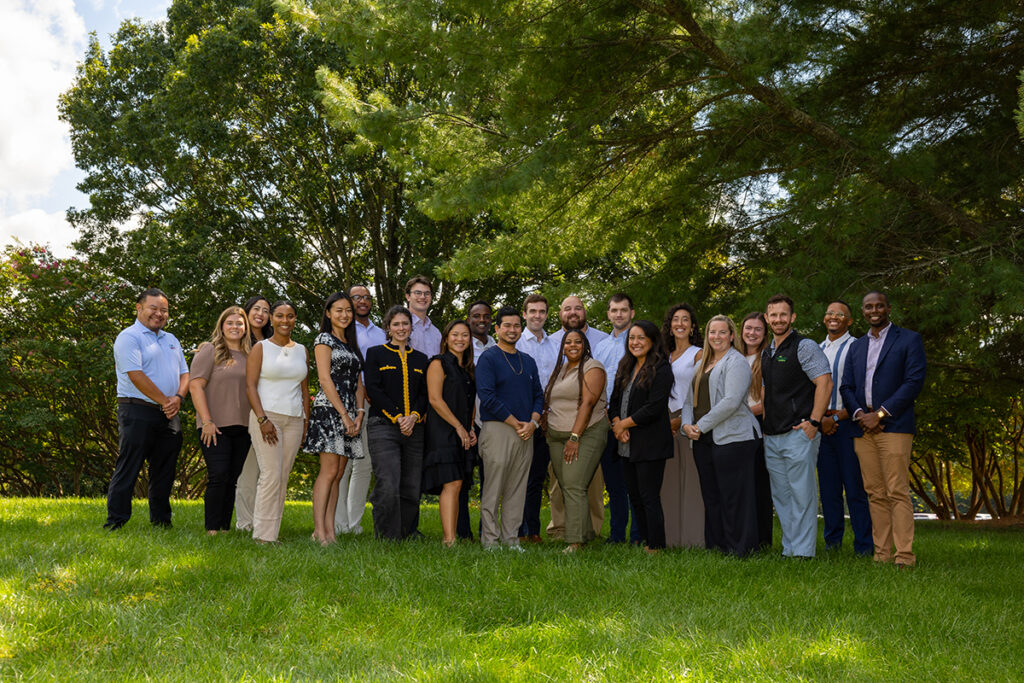
CHARLOTTE, N.C. (Sept. 15, 2025) – First Tee has launched a National Alumni Advisory Council, a group of 20 dynamic alumni who are business and community leaders from across the United States. The council will play a key role in shaping the future of the organization’s growing Alumni Network

The Alumni Council’s primary focus will be to guide and direct strategies that engage more alumni in meaningful ways — helping them stay connected to each other and to First Tee’s mission of empowering young people through golf and life skills programming. 

In addition to virtual meetings, the Alumni Council will gather annually, with its first session having taken place Sept. 12-14 in Charlotte, North Carolina. The event is sponsored by Gallagher. 

“First Tee alumni are an essential part of our story and our future,” said First Tee CEO Greg McLaughlin. “The Alumni Council will help ensure we are creating opportunities for them to continue to grow, give back and lead, while staying connected to the values they developed through First Tee.” 

The Alumni Council is co-chaired by Rayshon Payton of First Tee – Metropolitan Oklahoma City, who works as general counsel for Delaware Sen. Lisa Blunt, and Sara Diaz of First Tee – San Antonio, a presenter for ESPN+ and PGA TOUR Live and vice president of recruiting for Capstone Hospitality. 

“I’m thrilled to come full circle with First Tee, an organization that has shaped not only my life but the lives of so many others,” Payton said. “Serving as board chair of the Alumni Council is a special opportunity to give back, support the next generation and help strengthen a community that continues to inspire growth on and off the course.” 

“I’m excited to continue being part of the First Tee, the program where my golf journey began,” Diaz said. “I’m truly honored to be selected as co-chair of the First Tee Alumni Council and look forward to expanding our Alumni Network to foster lasting connections and meaningful opportunities.” 

Council members represent a diverse group of graduates who embody the impact of First Tee programs. They were appointed and will serve terms of two, three or four years. Together, they will guide efforts to recruit alumni, design impactful engagement opportunities and drive alumni reconnection to local chapters. As ambassadors of the program, they will inspire current participants and help grow a powerful, united Alumni Network. 

The First Tee Alumni Network includes thousands of former participants who have carried the organization’s values into their careers, communities and lives. Since its launch in 2020, the First Tee Alumni Network has provided career assistance, professional and personal development opportunities and fun events for former participants. It’s free to join and open to all First Tee Alumni. 

For more information about the Alumni Network, visit firsttee.org/alumni. 

2025 Alumni Council members 

Rayshon Payton Metropolitan Oklahoma City General Counsel, Sen. Lisa Blunt Rochester 
Sara Diaz Greater San Antonio VP of Recruiting, Capstone Hospitality 
Anthony Bonales Central Valley Finance Manager, Reyes Coca-Cola Bottling 
Grace Kehoe Greater Charlotte Media Logger, PGA TOUR 
Karrington Knight Greater New Orleans Staff Assistant, Rep. Jasmine Crockett 
Steven Outlaw, PGA Hammond (Historical) Director of Sales & Marketing, Troon 
Colm Parrish Pittsburgh Category Manager, Catalent Pharma Solutions 
Hannah Rens Siouxland Systems Engineer, Boeing 
Benjamin Nganga Tennessee Real Estate Valuations Analyst, Baker Tilly 
Ashley Noda Greater Sacramento Director of Outreach & Competitive Activities, First Tee – Greater Sacramento 
Alyssa Ramont Central Valley Executive Administrative Assistant, San Francisco Giants 
David Singh Tampa Bay Program Manager, Cleveland Clinic of Florida 
Blake Christenson Tennessee Designer, Cooper Carry 
Michelle Xie Silicon Valley Software Engineer, Dave 
Mia Bishop Metro Atlanta Psychotherapist 
Brittany Gill Greater Richmond Corporate Partnerships Manager, PGA TOUR 
Derrick Ow Monterey County Communications & Customer Service Coordinator, Northern California Golf Association 
Connor Shooks Benton Harbor Sports Management Student, University of Michigan 
Callen Williams Metropolitan New York Assistant Program Director, First Tee – Metropolitan New York 
Taryn Yee Greater Sacramento Program Manager, Meta 

Creating a Safe and Supportive Learning Environment: Why Class Management Matters at First Tee

August 25, 2025 | From First Tee Headquarters
By Kristin Westberg – Senior Director, Training & Evaluation

At First Tee, we believe every child deserves a safe, welcoming and empowering space to grow — both on and off the golf course. That’s why we place such a strong emphasis on class management. But what does that mean for your child? 

It means we’re committed to creating an environment where your child feels seen, supported and inspired — not just to learn golf, but to build confidence, character and life skills. 

Building relationships first 

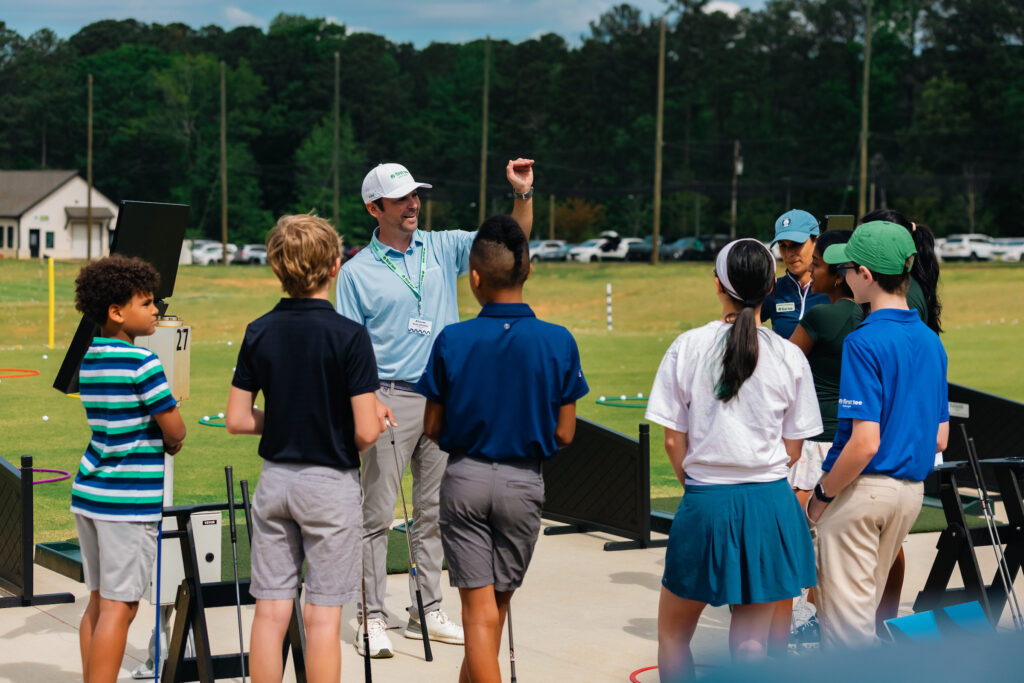
Our coaches start by getting to know each participant. Greeting kids by name, asking about their day and showing genuine interest helps your child feel like they belong. When children feel respected and valued, they’re more likely to engage positively and feel confident in their surroundings. 

Clear expectations = safe kids 

We work with participants to set clear, age-appropriate expectations that keep everyone safe and focused. For example: 

  • “Stop, look and listen on the coach’s signal.” 
  • “Stay in the safety zone when not hitting.” 
  • “Only swing in the hitting area.” 

By involving kids in creating these expectations, they understand not just the rules, but the reasons behind them. This helps them take ownership of their behavior and feel more invested in the group’s success. 

Keeping kids engaged and active 

We know that kids learn best when they’re active and having fun. That’s why our sessions are designed to keep everyone moving, learning and participating. We use stations, group rotations and fun visuals to keep things fresh and safe. Even when it’s not their turn, kids are encouraged to help a partner or review what they’ve learned. 

And safety isn’t just physical — it’s emotional too. Our coaches use positive reinforcement and fair, consistent responses to behavior, helping every child feel secure and supported. 

Consistency builds confidence 

Simple cues like a whistle or a phrase (“1, 2, 3, all eyes on me”) help coaches get kids’ attention quickly and respectfully. Using the same cues across all classes helps your child know what to expect, which builds confidence and comfort. 

Our coaches are trained to support your child 

At First Tee, our coaches are more than instructors — they’re mentors. Each coach receives training in youth development, class management and safety practices. We also partner with trusted organizations like the Positive Coaching Alliance to ensure our team is equipped with the latest tools and strategies to support your child’s growth — on and off the course. Through ongoing learning and development, our coaches are prepared to create a positive, inclusive and empowering experience for every participant. 

Together, we’re creating a space where your child can feel safe, supported and ready to grow — not just as a golfer, but as a person. Because when we manage our classes with care, we make room for character to shine. 

Find a First Tee Chapter near you!